
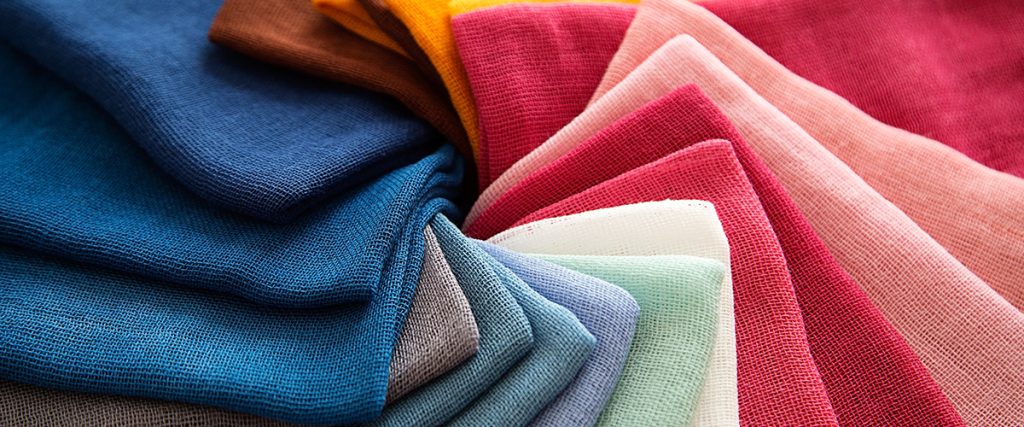
When people think about making clothes, they think of fabric first. Then maybe design. Then stitching.
But very few think about lint.
It sounds small. Almost unimportant. But in real production, lint can create many problems. It can slow machines. It can affect quality. It can even damage equipment over time.
That is where low-lint sewing thread comes in.
It may look like a small upgrade, but it changes a lot on the factory floor.
What Is Lint in Sewing?
Lint is tiny fiber dust.
It comes from thread during sewing. When thread runs at high speed, small fibers break off. These tiny fibers gather around the needle, machine parts, and on the fabric.
It may not be seen at first. But slowly, it builds up.
And once it builds up, problems begin.
Why Too Much Lint Is a Problem
Lint does not just sit quietly. It interferes.
First, it can clog machine parts. This affects smooth movement.
Second, it increases friction. That leads to more heat during stitching.
Third, it can cause thread breakage. Because the path is no longer clean.
Also, lint can settle on garments. This impacts the final appearance, especially in deeper coloured fabrics.
So even if the stitching is neat, the garment might not appear very clean.
What Are Low-Lint Sewing Threads?
Low-lint threads are specially made to reduce fiber shedding.
They are produced with better spinning and finishing processes. The surface is smoother. Loose fibers are minimized.
So when the thread runs through the machine, it releases very little lint.
Not zero, but much less than regular threads.
How Low-Lint Threads Improve Production
1. Cleaner Machines
Less lint means cleaner machines.
Operators do not need to stop often to clean buildup. This saves time.
Machines also run more smoothly.
2. Fewer Thread Breaks
Lint can disturb thread movement.
When there is less lint, the thread flows better. This reduces breakage.
Less breakage means fewer interruptions. And more consistent stitching.
3. Lesser Maintenance
If sewing machines have excessive lint build-up then they require frequent servicing also.
Low-lint threads reduce this need.
This increases machine life. It also reduces maintenance cost.
4. Better Stitch Quality
When the sewing path is clear, stitches become more even.
The number of skipped stitches reduces. Less tension variation.
The seam looks neat and professional.
5. Cleaner Garments
Lint can stick to fabric, especially darker shades.
Low lint threads help keep garments clean during production.
This reduces the need for extra cleaning steps later.
Where Low-Lint Threads Are Most Useful
They are useful in almost all garments, but especially in:
- High-speed production lines
- Light-colored or dark solid fabrics
- Fine garments where finish matters
- Automated sewing setups
- Protective Clothing – fire-retardant sewing thread and self-lubricating thread
In these cases, even small lint issues can become big.
What Makes a Thread Low-Lint?
It is not just one thing.
Good fiber quality is important. So is the spinning process.
Finishing treatments also play a role. Some threads are specially coated to reduce friction and fiber loss.
All these steps together create a smoother, cleaner thread.
Does Low-Lint Mean Lower Strength?
Not at all.
In fact, many low-lint threads are also high-performance threads.
These threads are robust, consistent, and pretty reliable.
So manufacturers do not have to choose between cleanliness and strength.
They can have both.
Small Change, Big Impact
Switching to low-lint thread may feel like a small decision.
But in a factory, small improvements add up.
Less downtime. Fewer defects. Better output.
Over time, this improves productivity and profit.
Things to Consider
- Always test thread with your machine setup
- Check compatibility with fabric type
- Monitor lint levels during trial runs
- Train operators to notice buildup early
Even the best thread works best when used correctly.
Why It Matters Today
Modern apparel production is fast. Very fast.
Machines run at high speeds. Volumes are large.
Under such circumstances, even small inefficiencies become really costly.
Low-lint threads help keep things under control.
They support cleaner, faster, and more reliable production.
Final Thought
Lint may be tiny, but its impact is not.
It can slow down work. Affect quality. Increase cost.
Low-lint sewing threads offer a simple solution to a common problem.
They keep machines clean. They improve stitching. They help garments look better.
And in today’s competitive world, these small advantages matter a lot.
Because in the end, clean production is smart production.